Fruit-Shaped Sisal Cat Scratcher with Climbing Frame
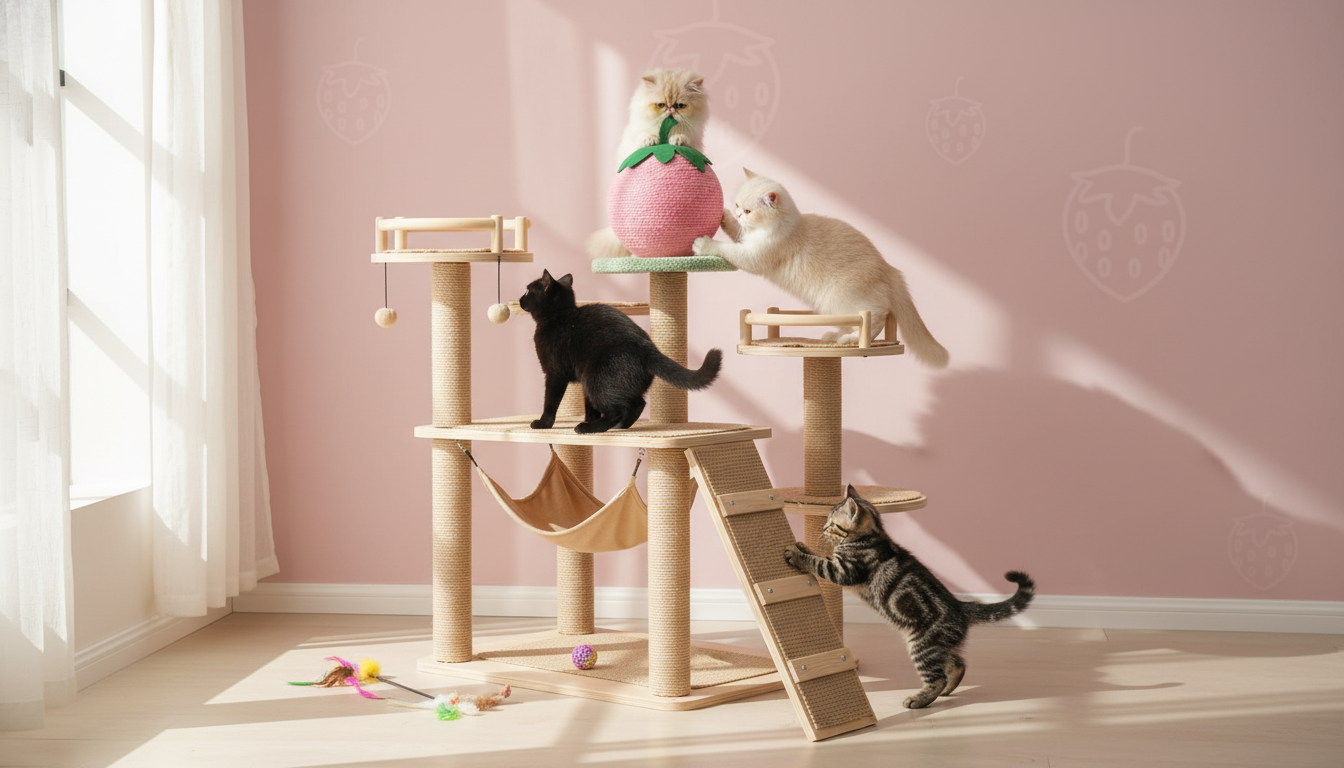
Sisal Fruit Cat Scratching Board with Climbing Frame
A scratching surface that also invites climbing helps channel natural feline behaviors into one dedicated spot. This fruit-shaped sisal board with a climbing frame is designed for indoor play, daily claw care, and redirecting scratching away from furniture. For many cats, having one “approved” station makes it easier to keep paws busy and couches intact—especially in smaller homes where cats spend more time near the same few pieces of furniture.
If you’re ready to add a playful scratch-and-climb station, see the Sisal Fruit Cat Scratching Board with Climbing Frame.
What It Is and What It’s Designed to Do
This style of scratcher combines two everyday needs—scratching and movement—into one compact setup.
- Combines a scratchable sisal surface with a small climbing frame for play and movement
- Encourages healthy scratching routines that support claw shedding and stretching
- Creates a single “yes spot” for scratching, climbing, and quick play breaks—especially useful in apartments or smaller rooms
Scratching isn’t “bad behavior”; it’s maintenance, communication, and full-body stretching all at once. A dedicated board makes it easier to redirect the habit without constant corrections.
Why Sisal Works for Scratching
Sisal is a classic scratching material for a reason: it tends to match what cats seek when they dig in with their front paws.
- Sisal texture offers satisfying resistance that many cats prefer over smooth fabric or carpet
- Helps redirect scratching from sofas, doorframes, and rugs by providing an appealing alternative
- Typically holds up better than soft cardboard-only options for cats that scratch hard or daily
Many cats like scratchers that “grab back” slightly. That resistance helps them rake the outer nail layers and finish with a longer stretch. International Cat Care explains that scratching is a normal, important behavior tied to claw condition and marking routines (Scratching Behaviour in Cats).
Climbing Frame Benefits for Indoor Cats
Adding a climbing element can turn a simple scratch station into a mini enrichment zone—helpful for cats that get bored easily or prefer vertical exploration.
- Adds vertical engagement to reduce boredom and support daily activity
- Supports natural behaviors: climb, perch briefly, scratch, then repeat
- Can be placed near a window or in a common room to increase usage
- Useful for multi-cat homes when paired with additional scratch zones in other rooms
Enrichment doesn’t have to be complicated. The ASPCA highlights how small changes—like adding climbing opportunities and interactive objects—can meaningfully improve a cat’s daily routine (Cat Enrichment).
Placement Tips That Increase Use
Even a great scratcher can get ignored if it’s placed where your cat never goes. Placement is often the difference between “unused pet furniture” and a daily favorite.
- Put it where scratching already happens (near the couch corner, doorway, or favorite nap spot)
- Keep it stable on a flat surface; add a non-slip mat underneath if floors are slick
- Sprinkle catnip (if used) lightly on or near the scratch zone to build the habit
- Reward early interactions with praise or a small treat to reinforce the new routine
For cats that scratch furniture edges, place the board so it “intercepts” that route—close enough that your cat can choose the scratcher without having to cross the room. If your cat is shy, start it in a quieter corner, then move it gradually only after it’s part of the routine.
Quick Feature Guide
Use this checklist-style table to compare space, scratching intensity, and play style before you set up a scratch-and-climb station.
Feature Guide for a Scratching Board with Climbing Frame
| Feature | Why it matters | Best for |
|---|---|---|
| Sisal scratching surface | Provides strong texture for claw engagement and stretching | Cats that ignore smooth posts or scratch fabric furniture |
| Climbing frame element | Adds movement and play value beyond scratching | Indoor cats needing extra activity in a small space |
| Compact footprint | Easier placement near problem-scratch areas | Apartments, bedrooms, or living rooms with limited floor space |
| Single dedicated station | Consolidates scratching and play into one “approved” area | Households trying to reduce furniture damage |
Care, Cleaning, and Longevity
A scratcher stays more appealing when it’s clean, stable, and still has texture. Light maintenance also helps you spot wear before it becomes a safety issue.
Who It Fits Best
Providing appropriate outlets for scratching is also part of a humane approach to claw management. The American Veterinary Medical Association discusses declawing as a procedure with significant welfare considerations, reinforcing why scratch alternatives and training matter (AVMA—Declawing of Domestic Cats).
Shop This Pick and a Couple of Handy Add-Ons
- Sisal Fruit Cat Scratching Board with Climbing Frame — a scratch-and-climb station designed for daily use indoors.
- Dual Mode Wireless Bluetooth 5.3 Gaming Headphones — useful for quiet downtime while your cat plays nearby.
- Ice Roller for Face — a simple self-care extra to keep on hand during at-home routines.
FAQ
How do you get a cat to use a new scratching board?
Place it where your cat already scratches, add a small amount of catnip if appropriate, and reward any interaction right away. Keep it in the same spot for the first week so it becomes part of your cat’s routine.
Is sisal safe for cats to scratch?
Sisal is widely used for cat scratchers and is generally considered safe for scratching. Supervise early use, keep the surface clean, and replace the scratcher if fibers become excessively loose or the structure becomes unstable.
Where should a scratching board with a climbing frame be placed?
Position it near common scratch targets like sofa corners or entrances, near a favorite hangout zone, or by a window for added engagement. Make sure it sits on a flat, stable surface so your cat feels secure using it.










Leave a comment