4-Piece BPA-Free Silicone Feeding Set for Baby & Toddler
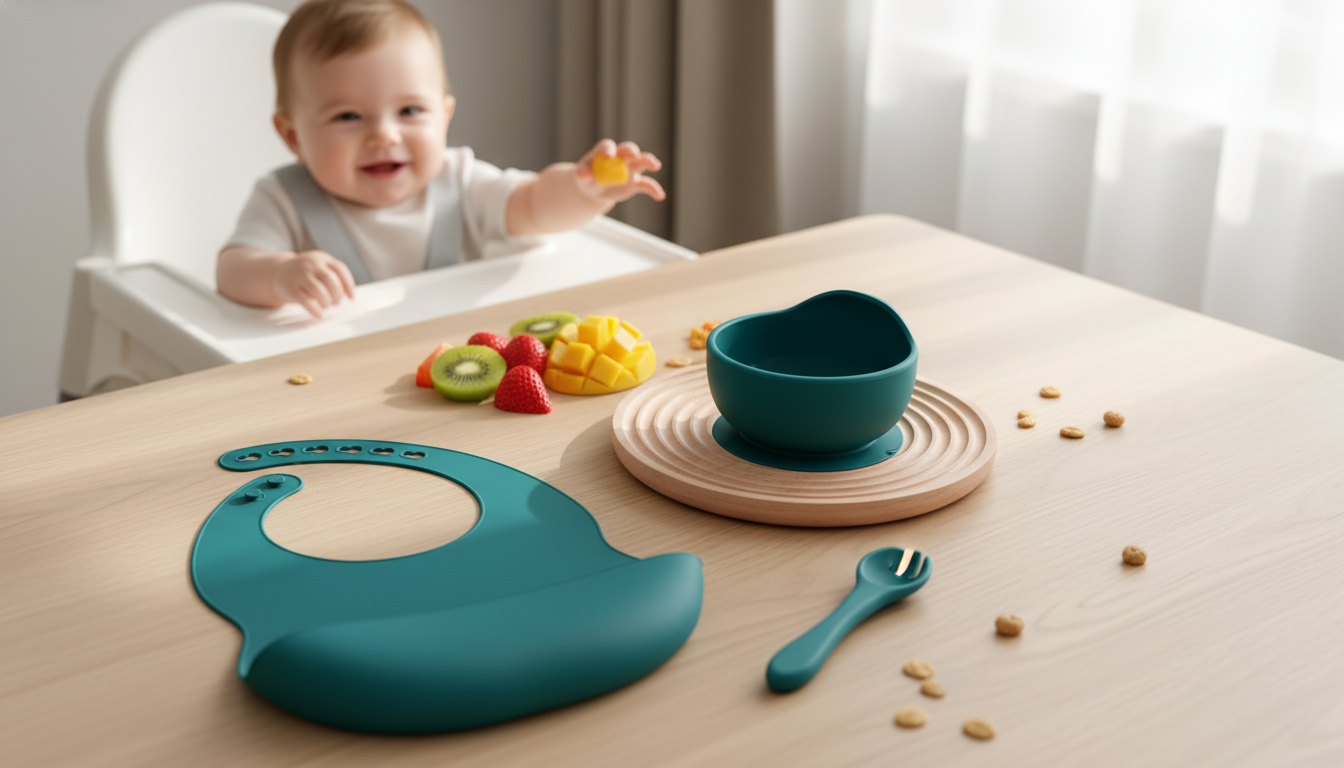
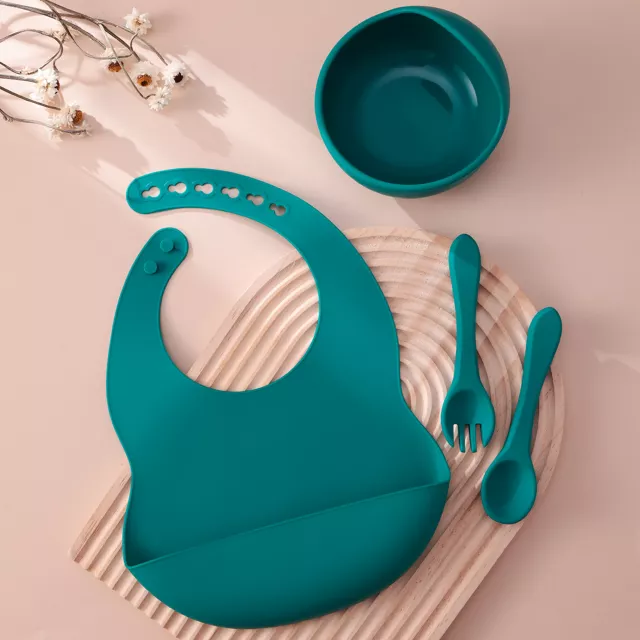
4PCS Baby Silicone Feeding Set – BPA-Free Bowl, Bib, Spoon & Plate
Mealtime with babies and toddlers is messy, fast-changing, and often on the go. A coordinated silicone set helps simplify feeding routines with pieces designed for small hands, frequent cleanups, and everyday durability—without adding extra dishes or mismatched accessories.
If you’re building a practical starter kit for solids or refreshing worn-out utensils, a 4-piece set keeps the basics consistent: one bowl for softer foods, one plate for finger foods, one spoon for early practice, and one bib to catch what inevitably misses the mouth.
What’s Included and How Each Piece Helps
A well-matched silicone set is less about “more stuff” and more about fewer friction points during meals. Each piece does a specific job—so feeding feels a little more predictable even when your baby isn’t.
- Bowl: useful for purees, oatmeal, yogurt, and thicker textures as solids progress; silicone material is typically grippy and less likely to clatter or chip than rigid dishes.
- Plate: supports portioning and finger foods; handy for offering new foods separately during early weaning stages.
- Spoon: sized for small mouths; silicone is commonly gentler on gums than hard plastic or metal.
- Bib: catches spills and crumbs to reduce outfit changes; practical for both home meals and travel.
Quick guide to the 4-piece set
| Item | Best for | Everyday tips |
|---|---|---|
| Silicone bowl | Purees, soft foods, snacks | Use a stable, flat surface; rinse soon after meals to reduce staining from colorful foods. |
| Silicone plate | Finger foods, mixed meals, small portions | Serve a variety of textures; avoid sharp knives that can nick silicone. |
| Silicone spoon | Early self-feeding practice | Offer an extra spoon so baby can hold one while being fed with the other. |
| Silicone bib | Messy meals and on-the-go feeding | Empty the crumb catcher between courses; wipe down after acidic foods to prevent lingering odors. |
Material and Safety Basics for Silicone Feeding Gear
When feeding gear gets chewed, tossed, and washed daily, material matters. Many caregivers look for BPA-free options and easy-care surfaces that hold up to repeat use.
- BPA-free: BPA-free feeding items are often preferred for everyday use, especially for babies who mouth utensils and bibs frequently. For background on BPA and food-contact use, see the U.S. Food and Drug Administration (FDA) overview.
- Food-grade silicone: Food-grade silicone is commonly chosen because it’s durable, flexible, and typically tolerant of repeated washing.
- Regular checks: For any baby feeding product, follow the care instructions and inspect regularly for tears, cracks, or loose parts before each use.
- Watch for changes: If sensitivities are a concern, introduce new utensils gradually and stop using any item that develops persistent odors, stickiness, or visible damage.
For additional general information on BPA exposure, the Centers for Disease Control and Prevention (CDC) and the American Academy of Pediatrics (AAP) publish ongoing public-health and parenting resources.
How This Set Fits Different Feeding Stages
Feeding changes quickly from first tastes to confident toddler bites. A bowl, plate, spoon, and bib combo stays relevant across stages because you can adapt how you use each item.
- Starting solids (around 6 months for many babies): the spoon and bowl help with purees and early textures; bib keeps early messes manageable.
- Developing self-feeding: the plate supports finger foods and small portions; offering safe, easy-to-grip utensils can encourage practice.
- Toddlers: silicone dishes can be a practical option for daily snacks and meals because they’re less prone to breaking and often easier to clean quickly.
- Routine-building: keeping the same bowl/plate/spoon setup can help create consistent mealtime cues across home, daycare, or travel.
Cleaning, Odor Control, and Stain-Prevention
Silicone is generally straightforward to maintain, but strongly pigmented foods can leave reminders behind. A few habits make a noticeable difference over time.
- Wash promptly after meals, especially after tomato-based sauces, berries, or strongly colored purees that can stain silicone over time.
- Use mild soap and warm water; ensure creases and edges are thoroughly cleaned, particularly around bib pockets and utensil seams.
- For lingering odors, soak silicone items in a baking soda and water solution, then rinse well and air-dry fully.
- Avoid abrasive scrubbers that can roughen the surface; a soft sponge is usually sufficient.
- Always confirm temperature and cleaning compatibility with the product’s instructions before using dishwashers, boiling, or sterilizers.
Tip for real life: if you can’t wash immediately while traveling, a quick rinse and a sealed wet bag helps prevent smells from setting in until you’re back at a sink.
Everyday Use Tips to Reduce Mealtime Mess
Some mess is part of learning, but a few small moves can keep it from snowballing into a full outfit change and a chair scrub.
Good Pairings for Meals Away from Home
Featured Picks (In Stock)
- 4PCS Baby Silicone Feeding Set – BPA-Free Bowl, Bib, Spoon & Plate ($19.51)
- Elegant Multifunctional Diaper Bag Tote with Stroller Straps & Changing Mat ($54.67)
FAQ
Is a BPA-free silicone feeding set safe for babies?
BPA-free is a common preference for baby feeding items that are used daily and often mouthed. Always follow the manufacturer’s care directions, supervise during meals, and inspect each piece regularly for damage or wear.
How do you get stains or smells out of silicone baby bowls and bibs?
Wash soon after meals with mild soap and warm water, then dry fully. For lingering odors, soak items in a baking soda-and-water solution, rinse well, and air-dry; strongly colored foods can still stain over time.
When should a baby start using a spoon and plate?
Many babies begin solids around 6 months, but timing depends on individual readiness and pediatric guidance. Spoons can be introduced early for practice, while plates become more useful as finger foods and self-feeding increase.







Leave a comment